
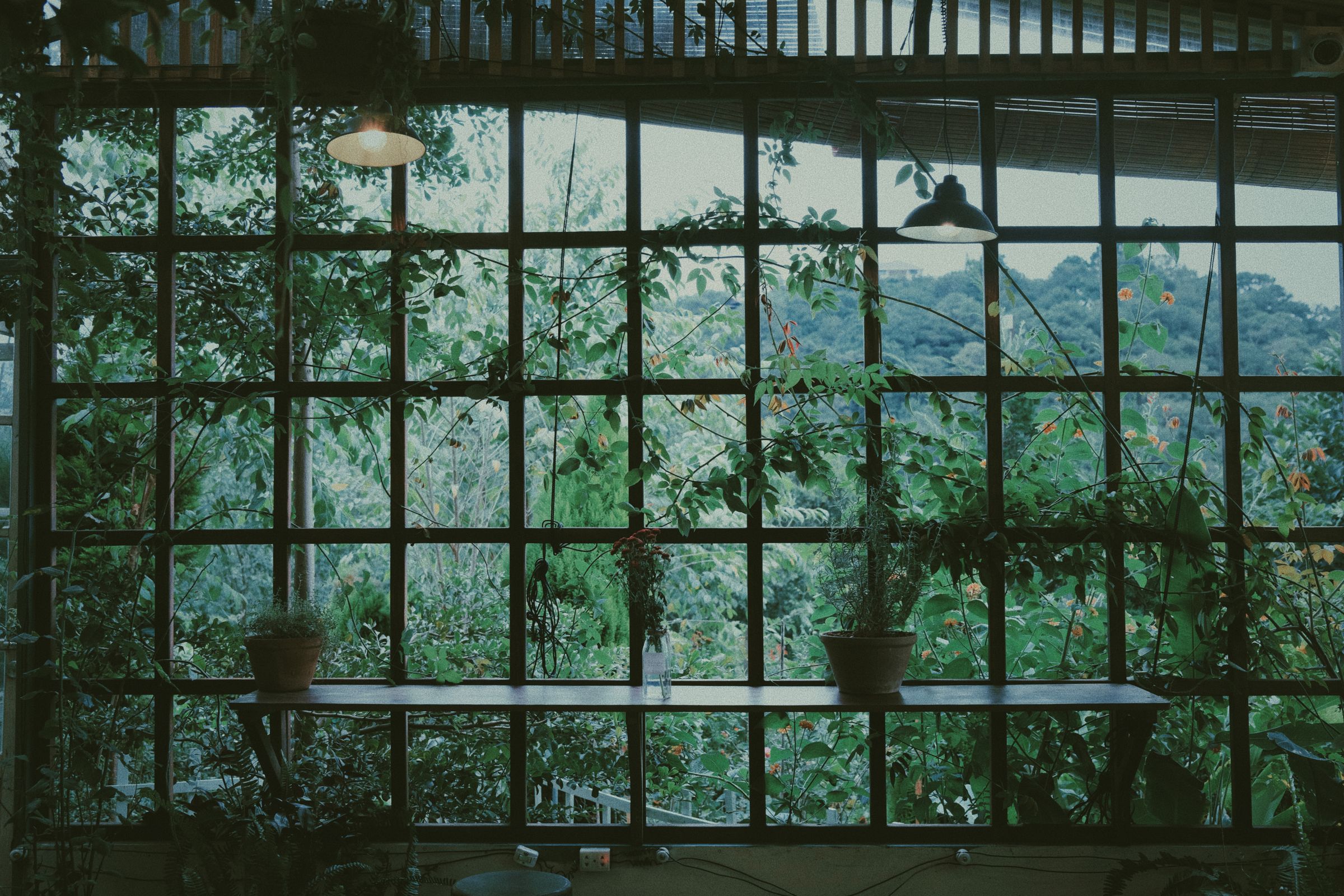
Good Day. It is late June in Alberta, which this year has meant rain that will not stop, the grey, drowning kind of month that turns a garden to mud. And yet tonight, like every night this week, I will pick strawberries. A full harvest, daily. Lettuce every evening, more than my family can eat. None of it should be possible in this weather. All of it comes down to one structure: the greenhouse.
A greenhouse does not grow the food for me. It does something quieter and more profound. It insulates. It protects. It keeps the downpour off crops that would otherwise drown, holds warmth through a frost that would otherwise end the season, and gathers what little sun this month offers into enough. It does not remove the gardener's work, if anything it adds to it. More growing weeks. More to tend. More to pick. A greenhouse is not less work. It is more harvest, and more work, and, in the end, more good.
I have come to realise this is exactly how I use artificial intelligence. Not as a replacement for the work, but as a structure built around it. Something that holds off the conditions that would otherwise drown the good crops, the drudgery, the cold administrative nights, the repetitive tasks that kill momentum the way a late frost kills seedlings. The machine is my greenhouse. It extends my season and shelters my best work, so that more of it survives to harvest.
Notice what the greenhouse does not do. It does not decide what to plant. It does not taste the strawberry, or choose to give the first ripe one to my daughter, or know why this particular row matters more than that one. It changes the conditions, never the care. And the gardener who fears the greenhouse has misunderstood it entirely. It was never a threat to the craft of growing. It is the thing that lets the craft survive a hard June.
So when someone tells me they are afraid this technology will replace the human in their work, I think of the rain outside and the fruit inside. The fear assumes the structure does the growing. It does not. It protects the conditions so the human can do more growing, in worse weather, for more of the year. The danger was never that the greenhouse would replace the gardener. The danger is the gardener who refuses to build one, and loses the whole season to the storm.
There is real discipline in this, the same as on the land. A greenhouse left unattended will cook its own crop; too much of a good thing is its own kind of frost. You learn to vent it, to watch it, to know which days it helps and which days you open the doors and let the real weather back in. I use these tools the same way, deliberately, where they shelter the work, and never so completely that I stop feeling the soil. Faster is not the goal. More good, brought safely to harvest, is the goal.
I think the future of this work belongs to the people who treat these tools the way a good grower treats a greenhouse. As protection, not replacement. As a way to extend what is alive, rather than automate it away. The machine holds the weather. The human still chooses what to grow, and tends it, and gives the best of it away. That was always the point of a harvest. It still is.
It is raining hard as I write this, and I am not worried about tomorrow's strawberries. That is what a greenhouse buys you, not less work, but a harvest the storm cannot take. I intend to use every tool I am given in exactly that spirit, and not one inch further.
Jonathan Ellis · Edmonton